Understanding Bulk Trucking: Core Services and How They Affect Logistics
Bulk trucking is essential in the field of logistics. It involves crucial services such as liquid bulk hauling and dry bulk transportation. Illinois top rated Bulk Trucking. These services aim to enhance supply chain effectiveness, reduce costs, and provide on-time delivery. However, the intricate processes involved in bulk trucking raise questions about safety, equipment, and what the future holds. Grasping these dynamics offers valuable insights into how logistics can adapt and thrive in a dynamic environment
The Importance of Bulk Trucking in Supply Chain Management
Efficiency is fundamental of contemporary supply chain operations, and bulk trucking is vital start now in boosting this efficiency. Bulk transport enables the transportation of high volumes of products, reducing the number of trips required and minimizing fuel consumption. This method of transport allows companies to optimize their logistics, ensuring that materials reach production facilities and products arrive at retail outlets promptly. By consolidating shipments, bulk trucking lowers operational costs and aids better inventory management. Furthermore, it facilitates JIT systems, which are vital for minimizing waste and upholding production timelines. The capacity to haul different materials, from unprocessed resources to completed goods, further underscores the importance of bulk trucking in keeping the supply chain fluid. Given the competitive marketplace, the efficiency benefits delivered by bulk trucking are crucial for businesses aiming to boost their performance and customer satisfaction.
Categories of Bulk Transport Services
Bulk transport operations are classified primarily into liquid bulk hauling and dry bulk hauling. Each type serves distinct industries and requires specialized equipment and handling procedures. Knowing these variations is crucial for businesses to properly manage their logistics and SCM needs.
Liquid Bulk Hauling
Given the increasing need for various liquid goods, grasping the forms of liquid bulk transportation services is crucial for industries reliant on these materials. Liquid bulk transportation centers on the hauling of liquids such as chemicals, petroleum, and foodstuffs. Tanker trucks, fitted with systems for insulation and pressure, are frequently used to provide secure and effective movement. Liquid bulk services fall into several types, including exclusive transport for specific products and standard bulk liquid services that accommodates multiple liquids. Furthermore, many carriers feature temperature-controlled transport to safeguard the condition of the goods. Consequently, picking the correct liquid bulk transportation service is vital to keeping the goods high-quality and complying with regulations within the logistics framework.
Hauling Dry Materials
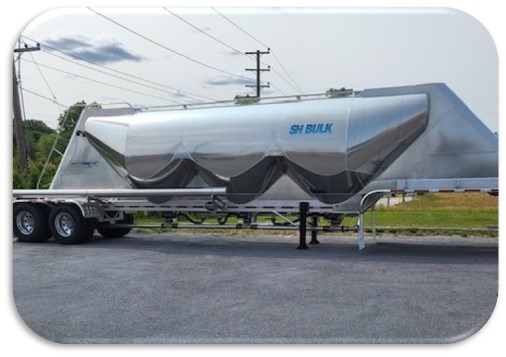
Dry bulk hauling is critical to the transportation of various granular and powdered materials, such as grains, fertilizers, and building materials. This service is generally executed using dedicated trucks, like pneumatic tankers and dump trucks, intended to process bulk quantities efficiently and safely. Dry bulk transport is essential for industries including agriculture, construction, and manufacturing, where on-time supply of raw goods can greatly impact productivity. Managing dry bulk transport involve careful planning to guarantee ideal routes and minimize transit times. In addition, operators need to follow safety regulations and best practices to lessen dangers involved in handling and transporting such commodities. Overall, dry bulk hauling is an essential part of the broader bulk trucking sector.
Liquid Hauling: Secure and Efficient Liquid Movement

The use of tankers is vital in the logistics industry by facilitating the safe and efficient movement of liquid commodities. This dedicated transport method is key to supplying various liquids, like chemicals, petroleum products, and food-grade liquids. Tanker vehicles feature sophisticated security features to stop spillage and leakage, which are vital for preserving the environment and public health.
The logistics of tanker transport demand thorough preparation, such as route selection and compliance with regulatory standards. The vehicles employed need to satisfy rigorous safety standards, guaranteeing that the contents are transported securely. Additionally, qualified workers manage loading and unloading processes to ensure efficiency and safety.
The financial significance of tanker transport is considerable, as it supports various industries by enabling the timely delivery of essential liquids. Therefore, efficient tanker operations is essential to keeping the supply chain robust and satisfying customer needs in an interdependent global economy.
Transporting Dry Bulk: Moving Solid Goods
A large part of the logistics industry utilizes dry bulk hauling for the efficient transport of solid materials. This method is essential for moving goods such as plastics, grains, fertilizers, and minerals. Different from liquid bulk, dry bulk materials necessitate specific gear, including specialized trailers and walking floor trucks, designed to facilitate loading and unloading processes. Careful manipulation of these solid materials is crucial, as poor handling can lead to environmental damage and contamination, impacting supply chain integrity and the environment
Furthermore, dry bulk hauling often involves traversing complex logistics, including route planning and timing, to ensure minimal disruption. The impact of this service goes beyond just moving goods; it underpins many industries, from agriculture to construction, by guaranteeing prompt access of essential materials - Illinois top rated Bulk Trucking. As a result, dry bulk hauling is a core element of the overall logistics structure, promoting efficiency and reliability in the supply chain
Bulk Freight Management: Optimizing Processes
Efficient management of bulk freight operations plays a fundamental role in improving logistical efficiency and securing on-time shipment of goods. This involves coordinating various elements, such as handling, storage, and transport of bulk materials. Effective strategies include optimizing routes, which cuts down on shipping time and decreases energy consumption. Additionally, implementing technology for tracking shipments improves transparency and permits instantaneous changes.
Collaboration among stakeholders is essential; producers, carriers, and receivers should maintain open communication to match expectations and schedules. Employing specific machinery, like pneumatic trailers or bulk tankers, additionally simplifies handling, reducing loading and unloading times.
Stock control is also crucial, as reliable forecasting ensures keeping optimal stock quantities and prevents delays. By adopting these strategies, companies can substantially better their bulk freight operations, resulting in reduced costs and greater client happiness. Adopting a holistic approach to freight management is essential for preserving competitive advantage in the logistics sector.
The Future of Bulk Trucking in Logistics
Since technological innovations are constantly redefining the logistics environment, the outlook for bulk hauling presents exciting prospects for enhanced efficiency and sustainability. Illinois top rated Bulk Trucking. New technologies like self-driving trucks and sophisticated route planning tools are ready to overhaul operational procedures. These tools help decrease fuel expenditure, lower running expenses, and improve delivery times, which in turn strengthens the market position of bulk trucking
In addition, the combination of data analysis and IoT technology makes possible the live monitoring of deliveries, enhancing transparency for clients and optimizing stock control. As environmental regulations tighten, the move to non-traditional fuels, for example, electric or hydrogen-fueled trucks, is set to become widespread, contributing to a greener supply chain
Finally, the bulk hauling sector will be marked by dedication to performance, sustainability, and solutions powered by technology, positioning it as an essential component of modern supply chains
Commonly Asked Questions
What is the Ecological Footprint of Bulk Trucking
The bulk trucking industry causes environmental consequences through the emission of GHGs, noise pollution, and possible deterioration of roadways. Moreover, hauling dense materials can lead to soil erosion and greater consumption of power, harming local environments and atmospheric conditions.
How Do Regulations Affect Bulk Trucking Operations
Legislation substantially impacts bulk trucking operations through the enforcement of safety requirements, emissions controls, and weight limits. Compliance with these regulations influences operational costs, transportation schedules, and the choice of vehicles, thereby defining the performance of supply chains.
What Safety Precautions Are Used in Bulk Hauling
Safety protocols for bulk hauling encompass routine truck checks, comprehensive driver education, adherence to weight limits, use of secure loading practices, installation of GPS tracking systems, and following all federal and state safety rules to minimize risks.
What is the Best Way to Select a Bulk Hauling Firm
To choose the right bulk trucking company, you must assess their history of safety, their experience within the industry, fleet capabilities, feedback from clients, the rates they charge, and their geographical scope, making sure they match your particular hauling requirements and meeting regulatory standards for optimal effectiveness.
What Technological Tools Are Employed in Bulk Hauling Logistics
Logistics for bulk trucking uses tools including satellite tracking, route planning applications, advanced communication systems, and digital record-keeping devices. These systems boost effectiveness, streamline information exchange, and ensure adherence to legal requirements, ultimately streamlining the transportation process.